

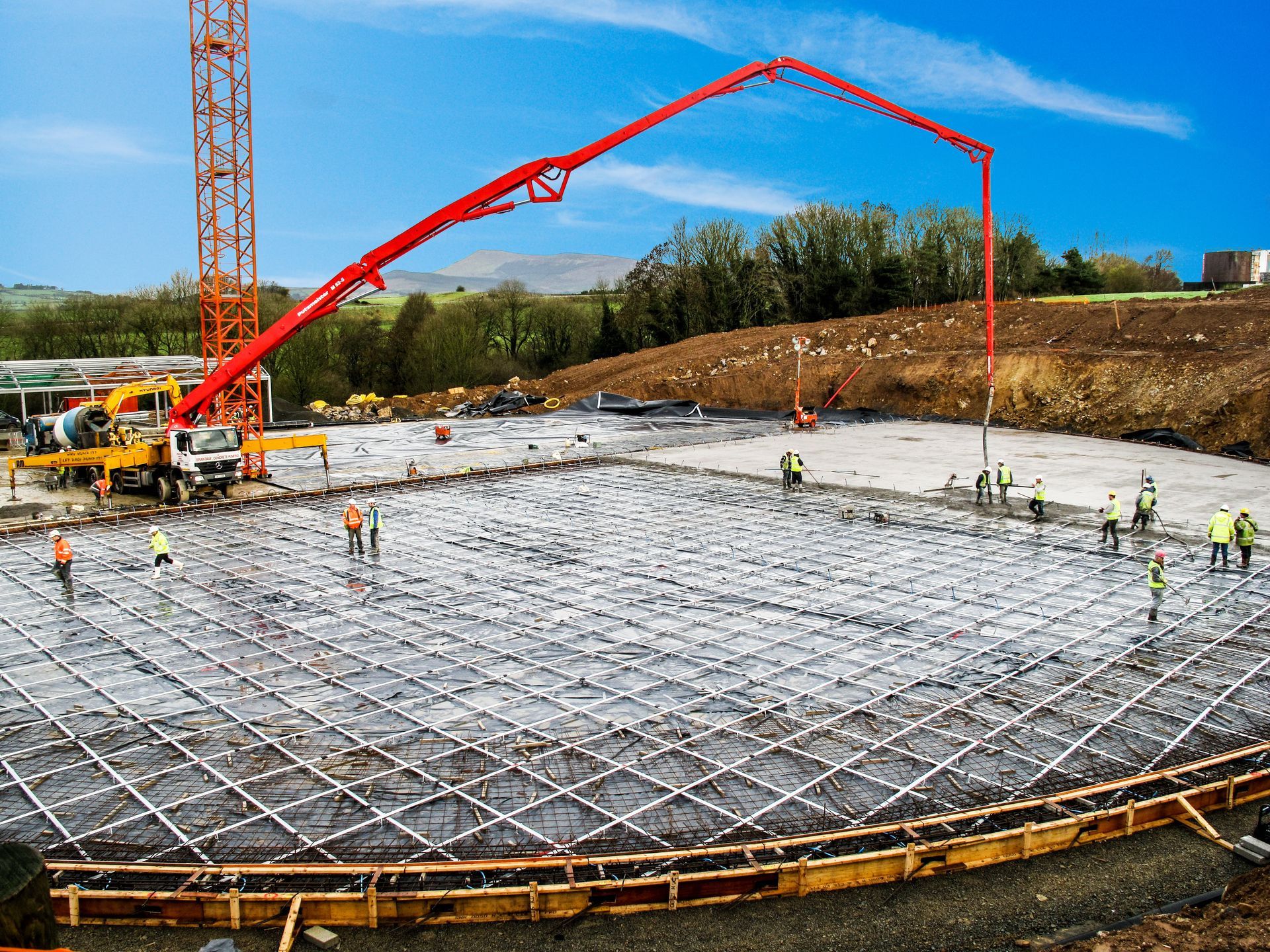
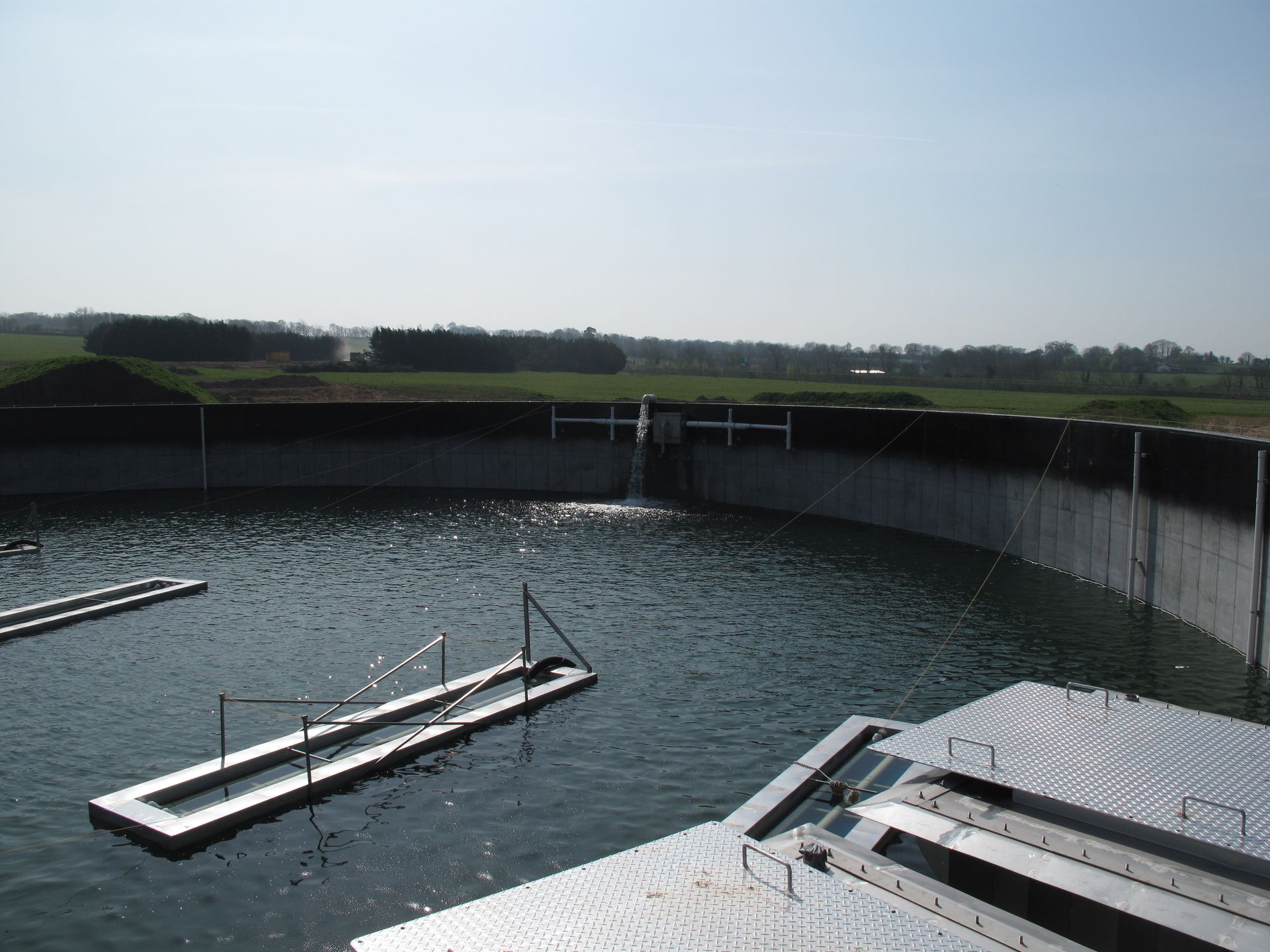
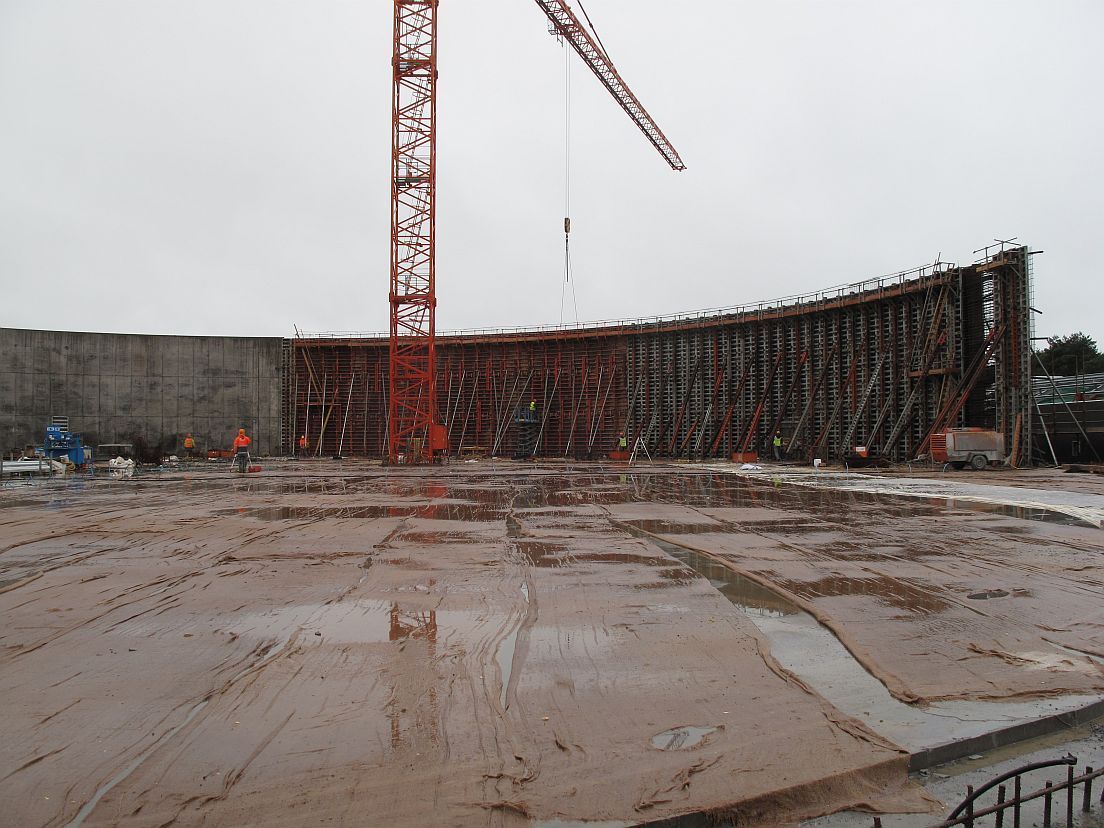
The project demonstrates how Post-tensioned (PT) slabs offer a superior, durable and robust solution designed to meet the most demanding operational requirements, while also reducing both the cost of design and build and lowering the embodied carbon footprint.
Industrial Tanks
Industrial Tanks ¦ Engineered for Containment. Optimised for Performance
ClearTech provides specialist structural engineering solutions for tanks and liquid-retaining structures, from new-build design and value engineering through to the repair and strengthening of existing assets.
Our expertise in post-tensioning, reinforced concrete and innovative remediation techniques enables us to optimise structures for crack control, watertightness, durability and long-term performance. Working across digester tanks, slurry tanks, water and process tanks, we develop practical solutions that can reduce material use, construction cost and embodied carbon while extending the service life of existing structures.
Digester Tanks
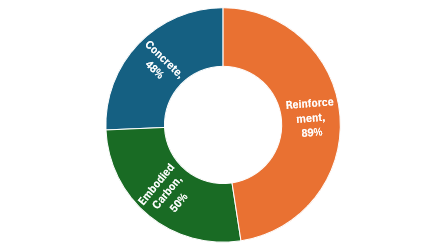
Proven expertise in design and optimisation of reinforced and post-tensioned concrete digester tanks for agricultural, industrial and renewable energy applications. Our approach can reduce reinforcement and concrete requirements while delivering the crack control, durability and liquid-retaining performance required for these structures.
Slurry Tanks
We provide structural design and specialist engineering for slurry and liquid-retaining tanks, with particular emphasis on crack control, watertightness, durability and efficient construction. Post-tensioned solutions can also be considered to improve structural performance and reduce material usage.
Biogas Plants
We provide structural engineering support for biogas and anaerobic digestion facilities, including tanks, foundations, slabs and associated structures. Our designs consider the specialist loading, durability and operational requirements of these facilities while supporting efficient and sustainable construction.
Case Study : Tank Design, Dairygold Digester Tank, Mitchelstown, Cork
Background:
Dairygold, embarked on a pioneering project to construct what would become the largest digester tank in the World. The scale and importance of the tank demanded an innovative approach to its structure - one that would deliver long-term performance, cost efficiency and sustainability.
Challenge:
The specific requirement for water-tightness and sustainability meant that the original design of this 5,000m2 structure posed several challenges.
Solution:
ClearTech proposed and implemented a Post-Tensioned system, transforming the project’s design and execution. Key features of this solution included:
- Reduced slab thickness to 200mm and walls at 350mm, while maintaining structural integrity.
- Elimination of construction joints, resulting in a seamless water-tight finish.
- Waterproofing, with additional safety from an environmental viewpoint.
- A low-maintenance, durable slab that out-performs traditional alternatives in performance and lifecycle cost.
Outcome:
Case Study : Tank Repair, Melton Mowbray, England
Background:
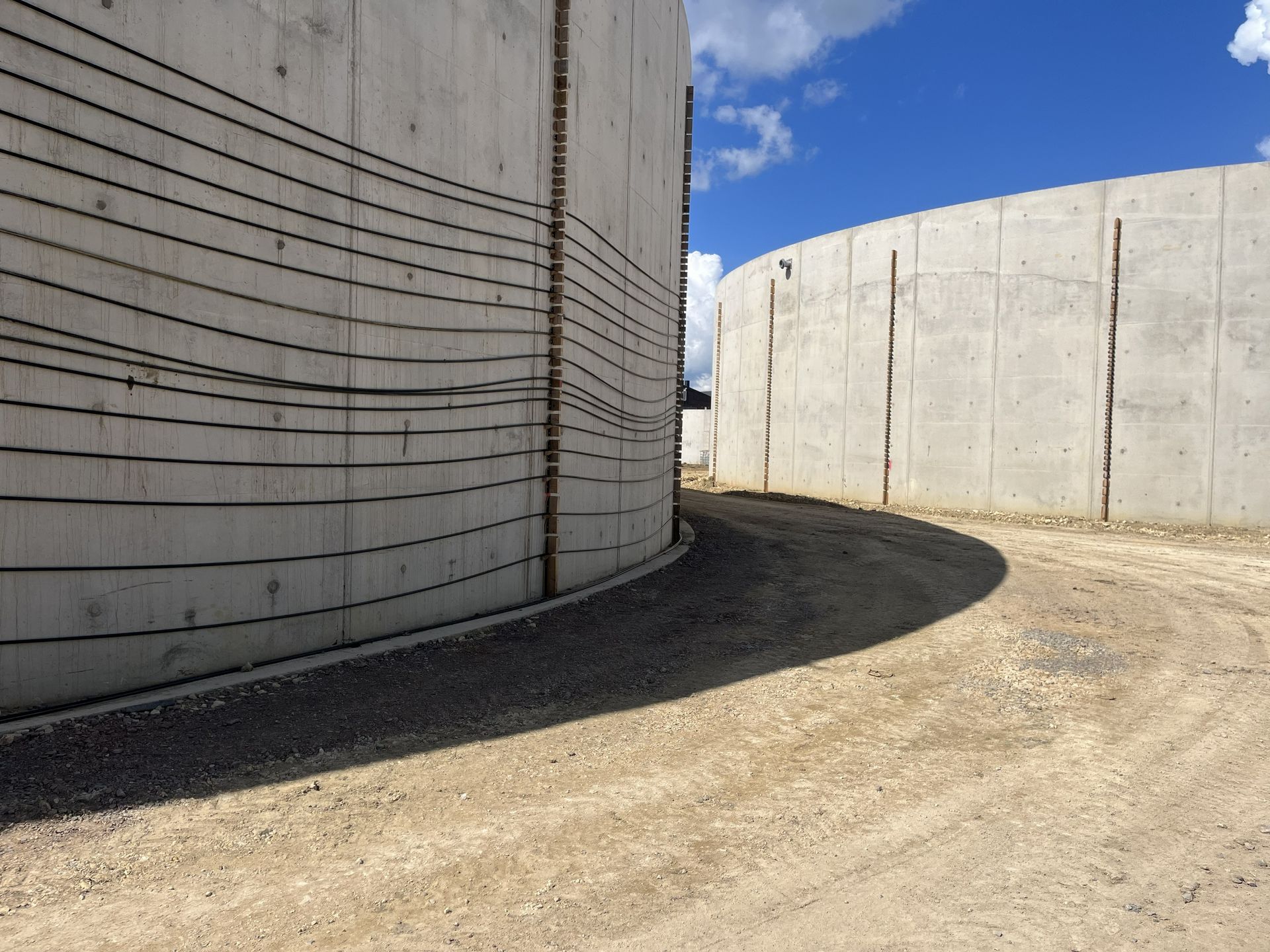
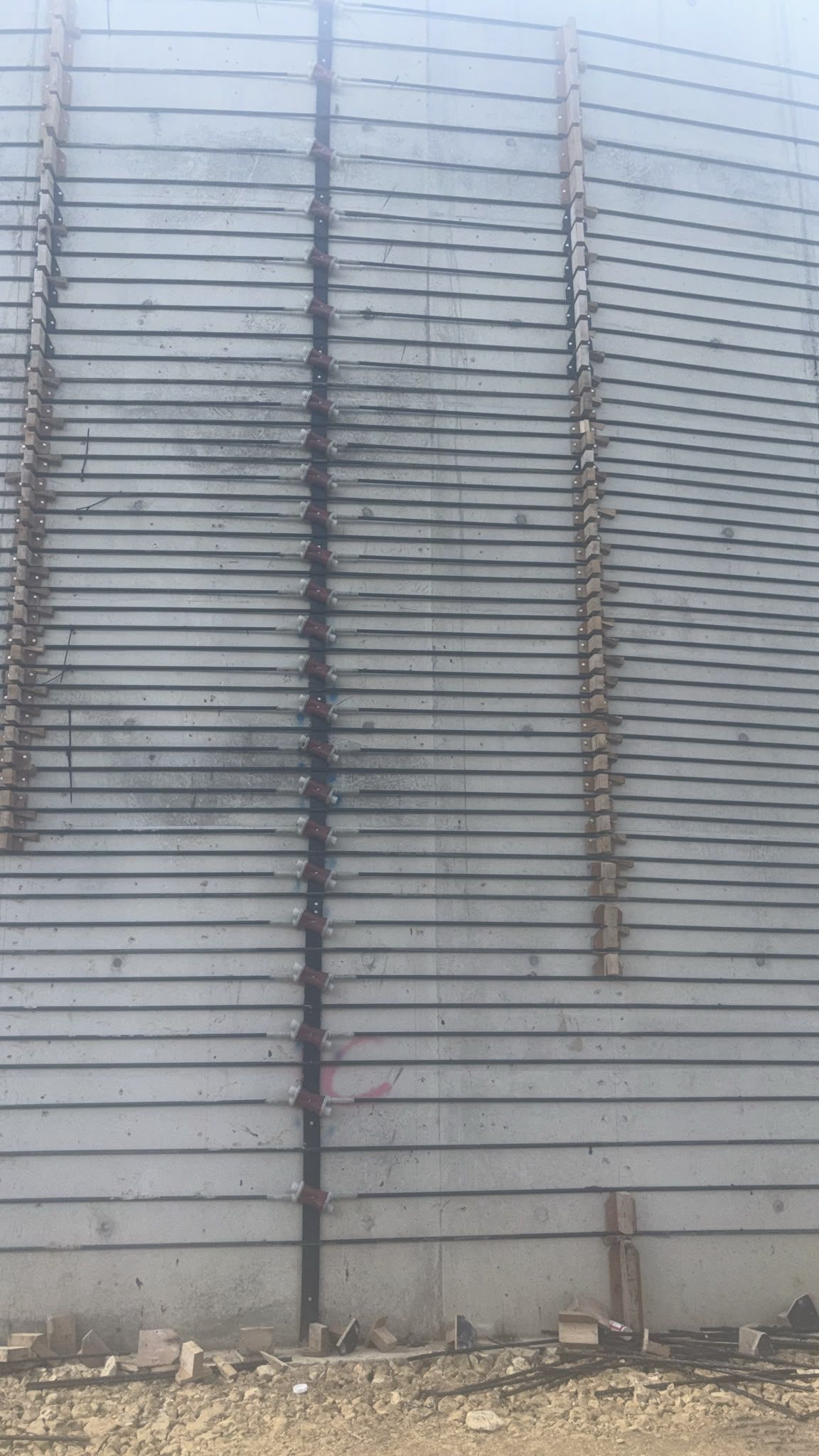
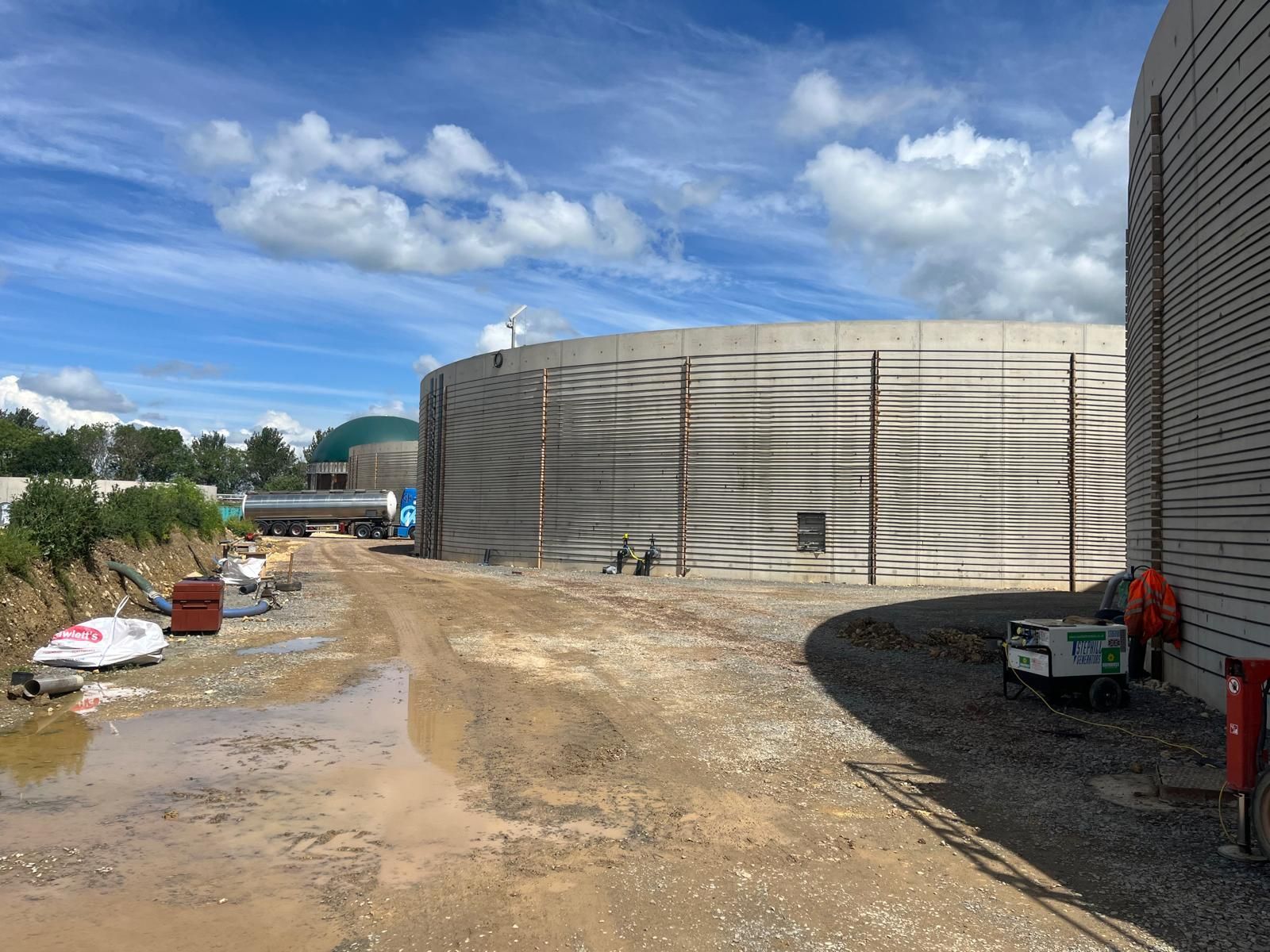
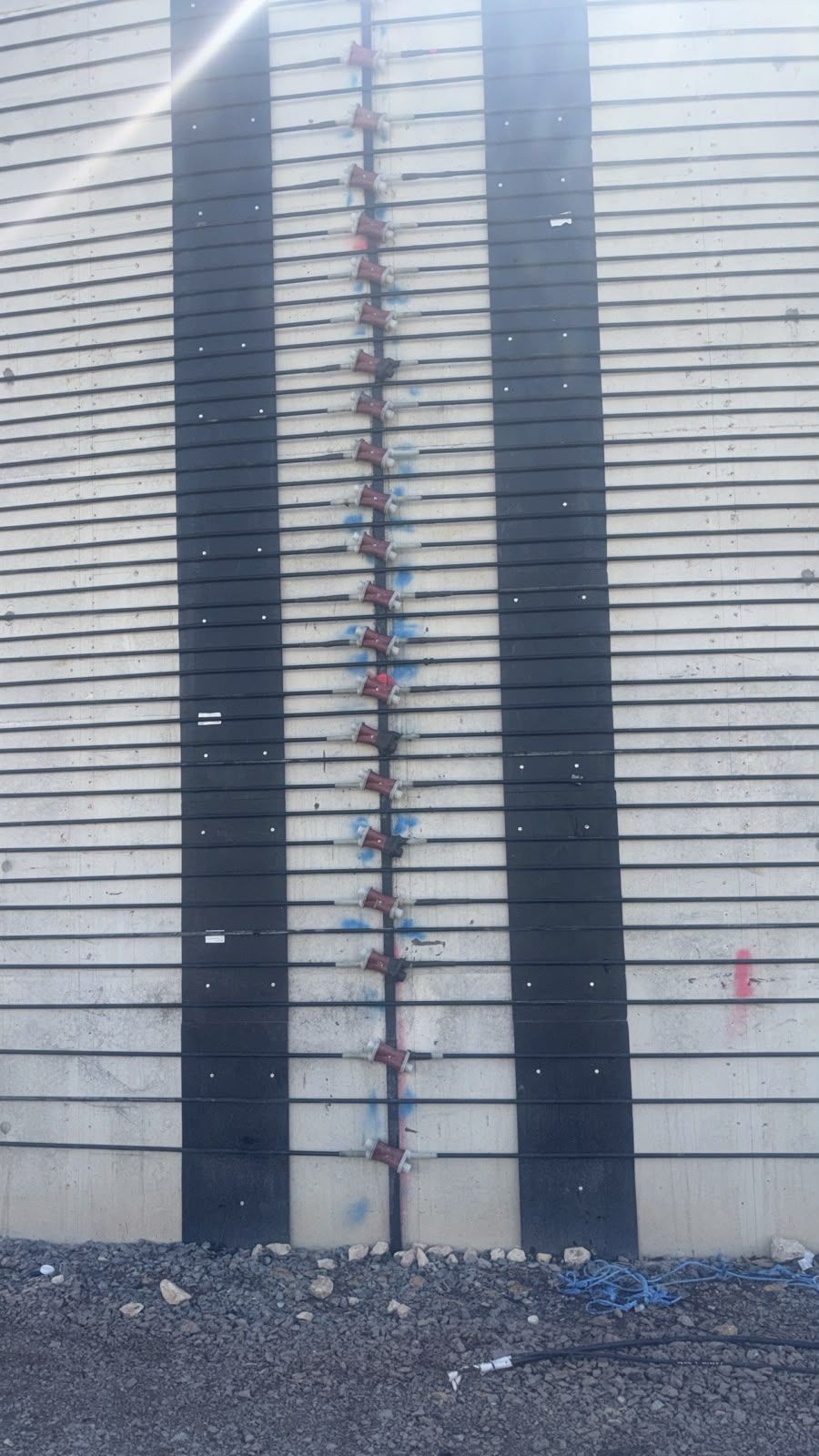
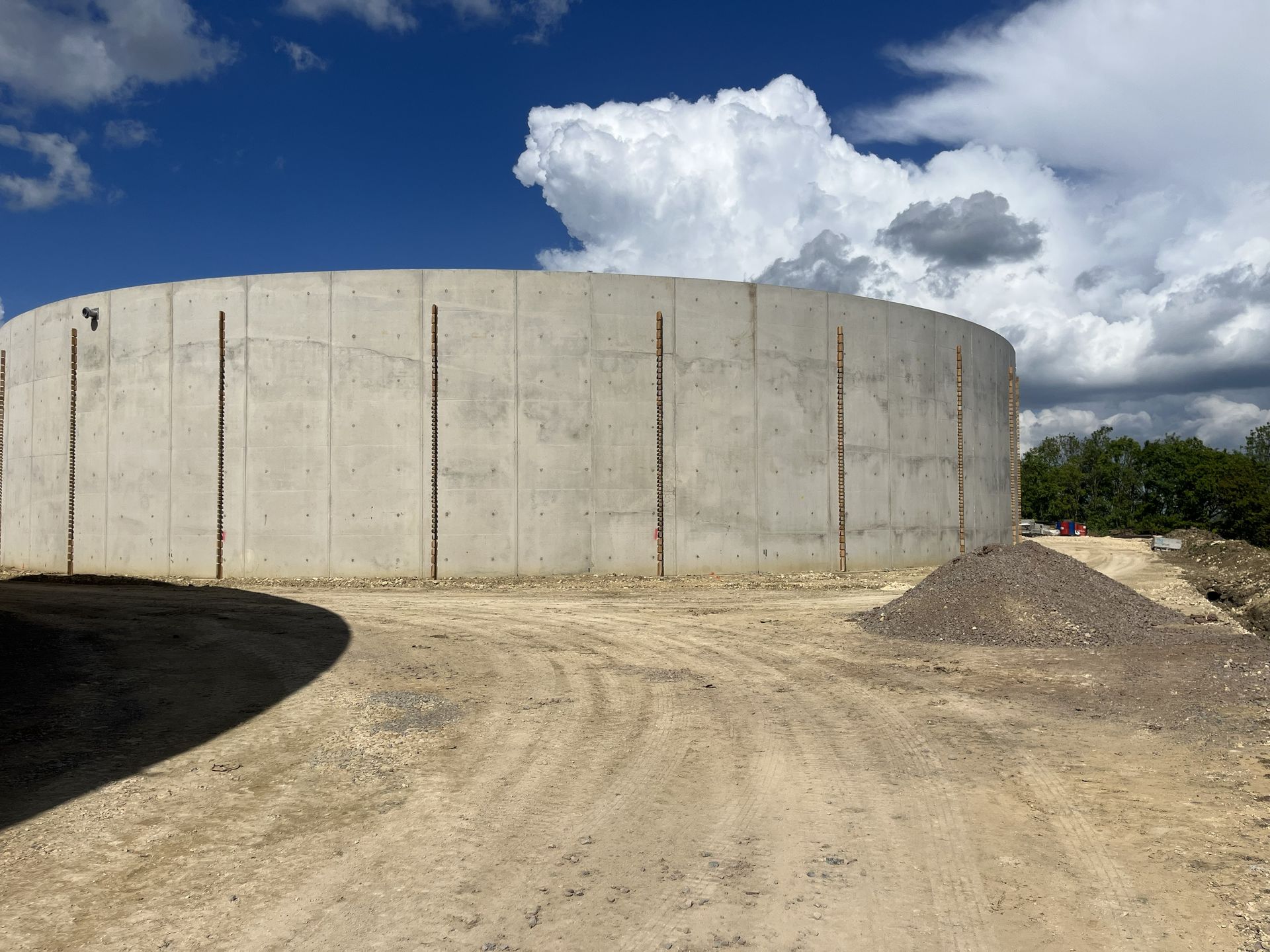
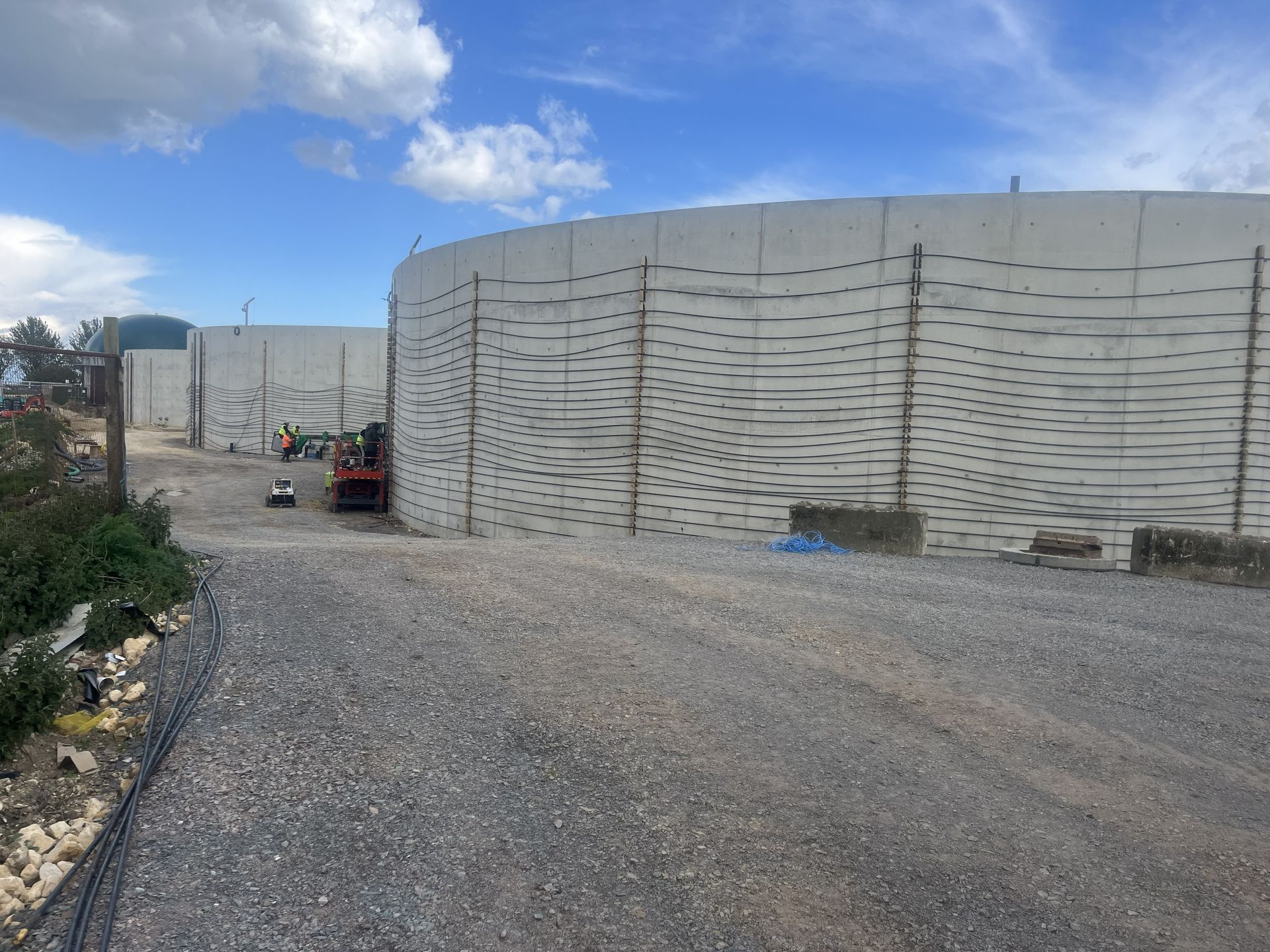
ClearTech was engaged to develop a structural repair solution for three large tanks at an agricultural facility in Melton Mowbray, England. Following installation, cracking and water leakage had developed within the tank walls, requiring an effective remediation strategy that would allow the existing structures to remain in place.
Challenge:
The key challenge was to develop a robust repair solution that would address the existing cracking and leakage while providing sufficient circumferential, or hoop, compression to improve the structural performance and integrity of the tanks. ClearTech investigated the use of post-tensioning (PT) as a means of actively compressing the tank walls, controlling the existing cracking and providing the required hoop stress.
Solution:
By applying post-tensioning technology to an existing structure, ClearTech developed practical remediation options designed to:
- retain and strengthen the existing tank structures;
- introduce controlled hoop compression;
- address cracking and leakage;
- reduce disruption to the operational facility; and
- provide a durable, engineered solution for the tanks' continued use.
Outcome: